Medicines And Eye Capsules: An Interaction Checklist For Zinc, Vitamin A And Bilberry
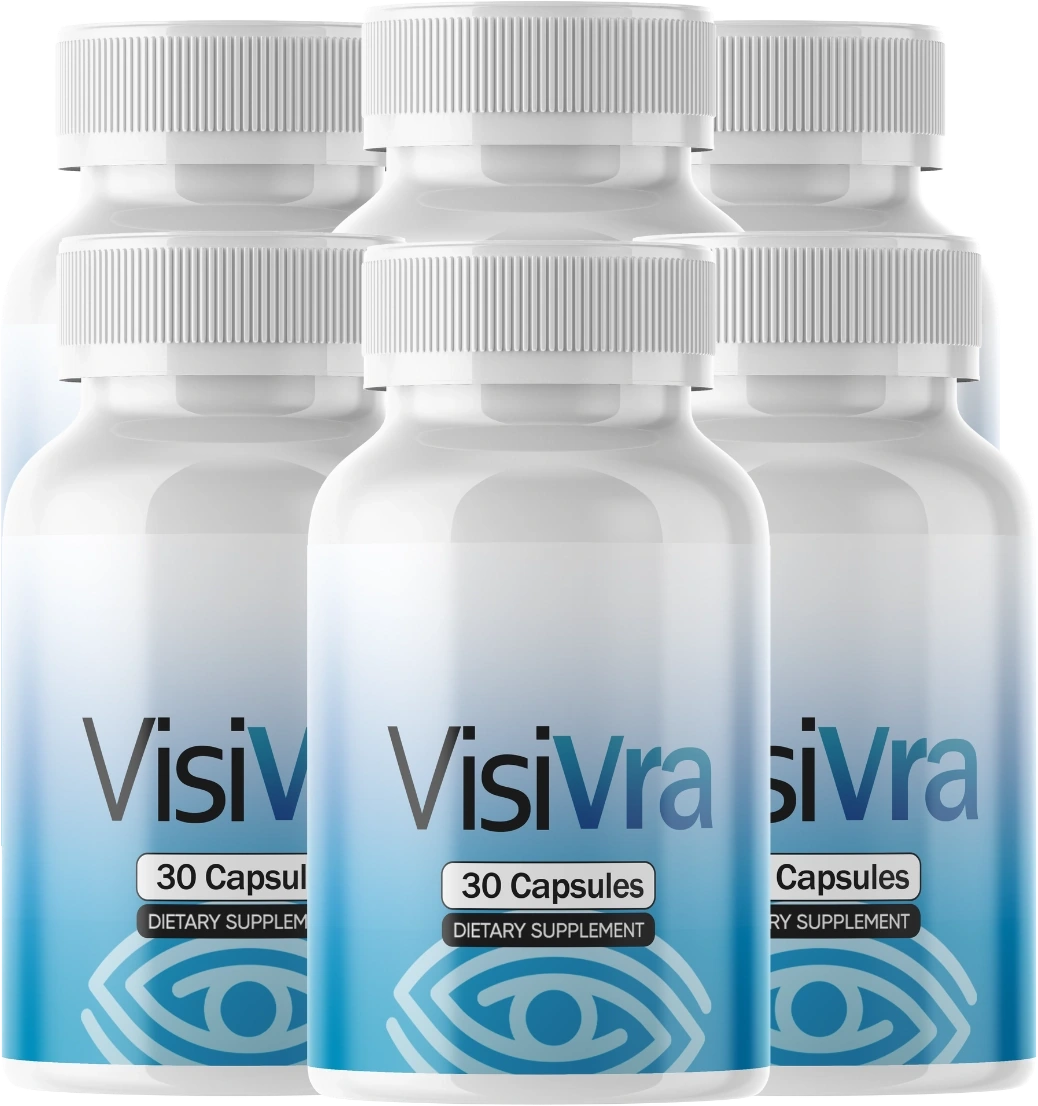
Supplements are usually filed under “natural”, and people who would never mix two prescriptions without asking will take a capsule beside their antibiotic, their acne medicine or their blood thinner without a second thought. Three of the six names on the Visivra tile, zinc, vitamin A and bilberry extract, have documented or plausible interactions with common medicines. This post is a checklist of those interactions, the studies each one rests on, and the one fact that stops anyone from ruling a line in or out from the label alone: the label names no forms and no amounts.
- Zinc can bind quinolone and tetracycline antibiotics in the gut and lower how much of the antibiotic is absorbed. The studies are old and small, but spacing the two is standard advice worth asking about.
- Preformed vitamin A adds to the load of retinoid drugs such as isotretinoin and acitretin, and their own labels tell patients to avoid vitamin A supplements. The Visivra label does not say which form of vitamin A it contains.
- Fat-blocking medicine such as orlistat cut beta-carotene absorption by about a third and vitamin E absorption by more than 40%. Whether it does the same to lutein, zeaxanthin or astaxanthin has not been tested in the studies found.
- For bilberry and blood thinners the concern is theoretical. Anthocyanin capsules reduced platelet-function measures in a randomized trial, but no bleeding outcome was reported.
- Because the label prints no forms or amounts, a pharmacist needs the actual bottle, not a description of it. Nothing here is a reason to stop a prescribed medicine.
What this checklist covers, and what it leaves out
It covers four questions a pharmacist can answer in five minutes if they are given the right information: does the zinc matter for my antibiotic, does the vitamin A matter for my skin medicine, does the capsule matter for my weight-loss medicine, and does the bilberry matter for my blood thinner. Behind each one sits one or more published studies, and this post says how big those studies were, because a warning built on twelve volunteers should be weighted differently from one built on a decade of prescribing.
It leaves out pregnancy, children and other life-stage questions on purpose. Those deserve their own discussion with a clinician who knows the person, and folding them into an interactions list would blur both. It also leaves out any advice to change a dose. If you take a prescribed medicine, decisions about it belong to whoever prescribed it.
Two pieces of vocabulary help. A chelation interaction is physical: a metal ion in the gut binds a drug so that less of the drug crosses into the blood. A pharmacodynamic interaction is additive: two things with the same kind of effect are taken together and the effects stack. Zinc with antibiotics is the first kind; vitamin A with retinoid drugs is the second; the fat-blocker and bilberry questions are different again, and are described where they come up.
Why the bottle matters more than the description
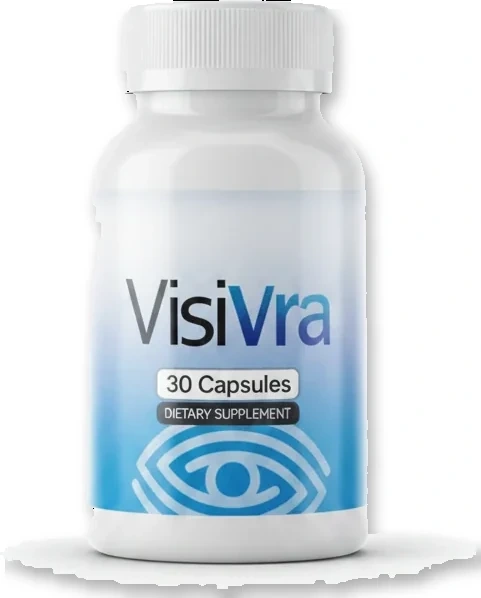
The Visivra front panel names no ingredients at all, and the supplier’s ingredient graphic adds six names: lutein, zeaxanthin, bilberry extract, astaxanthin, zinc and vitamin A. It prints no amount for any of them, and no form. The label and amounts page transcribes exactly what is and is not printed, and Six Names, No Milligrams explains why that matters in general. For interactions it matters in a specific way.
Whether zinc chelates an antibiotic depends on how much elemental zinc is in the capsule and how close in time the two are taken. Whether vitamin A adds to a retinoid drug depends on whether the capsule holds preformed vitamin A or a carotenoid the body converts under regulated control. A StatPearls chapter on vitamin A toxicity draws exactly that line: preformed vitamin A, from animal foods and supplements, accumulates and can become toxic, while provitamin A carotenoids such as beta carotene are subject to regulated conversion and rarely cause toxicity. The label says “Vitamin A” and nothing more, so it cannot settle which side of that line the capsule falls on.
That is why the answer to “is it safe with my medicine” cannot be looked up from six names. It has to be answered from the back panel of a physical bottle, or from the seller, by someone who can read the form and the amount. The checklist below tells you what to ask them.
| Medicine or class | Ingredient involved | What the sources report | Ask about |
|---|---|---|---|
| Quinolone antibiotics (for example ciprofloxacin) | Zinc | Chelation; a multivitamin with zinc lowered ciprofloxacin exposure by about a fifth in 12 volunteers | Timing between the two |
| Tetracycline antibiotics | Zinc | Tetracycline absorption fell by about 30% with zinc sulphate in 7 volunteers; doxycycline was not significantly affected | Timing; which tetracycline |
| Isotretinoin, acitretin | Vitamin A | Their own labels advise against vitamin A supplements | Form of vitamin A; whether to take it at all |
| Orlistat | Vitamin A, carotenoids | Beta-carotene absorption cut by about a third; vitamin E by more than 40%; vitamin A not significantly in one single-dose study | Timing; whether a separate multivitamin is already advised |
| Warfarin, other anticoagulants and antiplatelets | Bilberry extract | Theoretical; anthocyanins lowered platelet-function measures in one trial | Whether an extract belongs alongside the blood thinner |
Each row is expanded below with the study it rests on. The right-hand column lists questions, not instructions.
Zinc and quinolone or tetracycline antibiotics
Quinolones such as ciprofloxacin and the tetracycline family both carry a well-known instruction on their leaflets about minerals, and the reason is chemistry. Both classes bind metal ions, and a drug that is bound in the gut is not absorbed.
A review of absorption interactions with fluoroquinolones described chelation with multivalent cations as reported in between 22% and 76% of patients prescribed fluoroquinolones, with magnesium-aluminium antacids and sucralfate having the greatest effect, followed by iron, calcium and zinc. Spacing the doses was the suggested remedy, though the review noted that spacing can make optimal administration of the mineral difficult, if not impossible.
The specific zinc study is a small one. In a four-way crossover in 12 healthy men, ciprofloxacin 500 mg was given alone and then after 7 days of either ferrous sulfate or a once-daily multivitamin with zinc. The multivitamin lowered ciprofloxacin exposure (area under the curve 11.3 against 14.5 micrograms·hour per mL) and the iron tablet lowered it much more (5.4). The authors were honest about the limit of what they had shown: they called the effect of the iron likely to be clinically significant, and said the component of the multivitamin responsible required additional study. That is the caveat to keep. The trial showed a multivitamin with zinc reduces absorption, not that zinc alone is the culprit.
For tetracyclines the classic paper is a crossover in seven volunteers who took a single 45 mg dose of zinc as sulphate together with tetracycline hydrochloride 500 mg, or with doxycycline 200 mg. Tetracycline’s serum concentration, area under the curve and urinary excretion fell by about 30%. Doxycycline’s absorption was not significantly changed. The authors judged the clinical significance of the zinc-tetracycline interaction to be of limited importance.
What to take from that pair of studies: the interaction is real for some antibiotics and mild or absent for others, the data are decades old and small, and the amounts used were a specific single dose. Nobody has measured what a Visivra capsule, at an amount nobody has printed, would do. The way to answer that is not to guess an interval. Antibiotic labelling gives the recommended separation for that particular drug, and a pharmacist can apply it to your regimen. The useful thing you can do is arrive knowing the capsule contains zinc.
Vitamin A and retinoid medicines
Isotretinoin and acitretin are not vitamin A, but they are close chemical relatives, which is what puts them on this list. The StatPearls chapter on vitamin A toxicity says the term encompasses toxicity from systemic retinoid medicines such as isotretinoin and acitretin, that these drugs act through the same retinoid receptors as vitamin A, and that retinoid toxicity is often clinically indistinguishable from hypervitaminosis A. The chapter on acitretin describes retinoids as natural and synthetic compounds similar to vitamin A, and the one on isotretinoin describes it as an oral retinoid used for severe, recalcitrant nodular acne.
The prescribing information turns that into plain instructions. The US label for isotretinoin capsules says, in its Drug Interactions section, that because of the relationship of the drug to vitamin A, patients should be advised against taking vitamin supplements containing vitamin A to avoid additive toxic effects. The label for acitretin says concomitant administration of vitamin A or other oral retinoids with acitretin must be avoided because of the risk of hypervitaminosis A, and elsewhere advises against vitamin A supplements in excess of minimum recommended daily allowances. Those are the manufacturers’ own words, as retrieved for this page; they were not written with any eye capsule in mind.
The Visivra label lists “Vitamin A” with no form. If it is a beta-carotene-type ingredient the toxicity picture in the StatPearls chapter is less worrying; if it is preformed retinol or a retinyl ester the retinoid labels apply in full. Nothing printed lets you tell which, and this post will not guess. Anyone taking or recently finished with one of these drugs should show the bottle to the prescriber or a pharmacist before taking a vitamin A-containing capsule. A capsule containing lutein and bilberry and no vitamin A would raise no such question, which is another reason the form is the missing fact.
Fat-blocking medicine and the fat-soluble ingredients
Orlistat blocks the enzyme that digests dietary fat, so some of the fat in a meal is never absorbed. Carotenoids and vitamins A, D, E and K travel with dietary fat, and it is reasonable to ask what happens to them.
Two crossover studies from the drug’s development answer part of the question. In 48 healthy volunteers given a single dose of beta-carotene (30, 60 or 120 mg) during 6 days of orlistat 120 mg three times a day or placebo, absorption of the beta-carotene fell by approximately a third at all three dose levels. In 12 volunteers given 25,000 IU of vitamin A and 400 IU of vitamin E during 9 days of orlistat, vitamin E absorption fell by about 43% by peak concentration and about 60% by area under the curve, while vitamin A absorption was not significantly reduced at the doses studied. Those are trial doses in short courses. They show the direction and a rough size, and the authors of both papers framed the results as guidance for supplementation if deficiency develops during treatment.
The over-the-counter orlistat product label reflects that thinking: it tells users to take a multivitamin once a day, at bedtime, and says orlistat can reduce the absorption of some vitamins. So a person on orlistat is often already advised to take a vitamin product at a particular time. Adding a second capsule with fat-soluble ingredients raises a scheduling question and a duplication question, and both belong with a pharmacist.
What no study found for this post covers is lutein, zeaxanthin or astaxanthin during orlistat treatment. They are fat-soluble carotenoids, so a similar effect is plausible, but plausible is not measured, and the honest position is that the size of any effect for these three is unknown.
Bilberry extract and blood thinners
This is the weakest of the four, and it should be presented as weak. The concern is that anthocyanins, the pigments in bilberry, can reduce platelet stickiness, and a person on an anticoagulant or antiplatelet drug is already tipped toward bleeding.
The best human data found is a double-blind randomized trial of 93 people with dyslipidemia who took anthocyanin capsules at 40, 80, 160 or 320 mg a day or placebo. After 12 weeks, 80 mg a day reduced collagen-induced platelet aggregation and an activated platelet receptor marker compared with placebo, and 320 mg a day also reduced ADP-induced aggregation, with a dose-response relationship. It is a laboratory measure of platelet function in a specific patient group, taken as a branded anthocyanin capsule. The abstract does not describe bleeding events and it does not test bilberry extract as sold in a multi-ingredient eye capsule.
Against that, the US prescribing information for warfarin lists botanical (herbal) products among the categories of concomitant products that can interact with it, and tells prescribers to consult the labelling of every drug used together with it. It does not single out bilberry. So the position is: no evidence of harm with this capsule, a plausible mechanism, a general instruction from the warfarin label to take botanicals into account, and no way to judge the size of the effect without an amount. Ask the clinician who manages the blood thinner whether a bilberry-containing capsule fits, and whether anything about planned procedures changes the answer.
It is also worth remembering how thin the eye evidence for bilberry is. A systematic review of night-vision trials found that the idea that bilberry anthocyanosides improve normal night vision is not supported by evidence from rigorous studies. The caution with blood thinners is not large, but neither is the offsetting benefit for most healthy readers.
Zinc and copper, briefly
One longer-term point, kept short because it has its own literature. The original Age-Related Eye Disease Study gave zinc 80 mg as zinc oxide together with copper 2 mg as cupric oxide, which is how that trial paired them, and that is a trial formula rather than a Visivra amount. The Visivra label names zinc and no copper. Anyone planning to take a zinc-containing product for months or years alongside other zinc or mineral products should ask their clinician whether zinc and copper status deserve a look. This post does not go further than that, and does not discuss upper limits.
What has not been tested
The four rows above are the ones with published support. They are not a complete map of what can go wrong, and the absence of a study is not evidence of safety. Lutein, zeaxanthin and astaxanthin have not been examined against most drug classes in the sources found here. Bilberry has almost no interaction data in humans beyond the platelet findings above. A checklist can only list what someone has measured.
There is a second kind of gap, which is the amount. Almost every figure quoted above comes from a trial dose: a single 45 mg zinc dose, a 25,000 IU vitamin A dose, a 120 mg orlistat schedule. Those tell you the direction of an effect. They do not tell you the size of anything for a capsule whose amounts nobody has printed, and this post never states one.
The checklist to take to the pharmacist
- Bring the bottle, not a description. If the physical bottle has a back panel, photograph it, and note the zinc form and amount, the vitamin A form and amount, and whether bilberry is given as an extract with a stated strength. If the panel names none of those, say so, because it changes what they can conclude.
- List every medicine, including drops, creams, over-the-counter products, and anything you take only occasionally. Antibiotics, skin medicines, weight-loss drugs and blood thinners are the classes above, but the pharmacist may see others.
- Ask the four questions. Should I separate the zinc from my antibiotic, and by how long? Does the vitamin A matter with my retinoid? Should a fat-soluble capsule be timed around my orlistat and my multivitamin? Does bilberry belong beside my blood thinner?
- Ask what to do if the form is unknown. The answer may be to hold off until the form is confirmed. That is a reasonable answer to an incomplete label.
- Do not stop a prescribed medicine to make room for a capsule. If there is a conflict, the supplement is the one to move or drop.
Zinc can lower how much of some antibiotics you absorb, preformed vitamin A adds to retinoid drugs whose own labels warn against vitamin A supplements, fat-blockers cut carotenoid absorption, bilberry is a plausible blood-thinner nuisance, and because the Visivra label names no forms or amounts, the only person who can settle any of it is a pharmacist looking at the actual bottle.
For the wider question of what a supplement can and cannot do for the eyes, An Eye Exam Finds What A Capsule Cannot is the better starting point, and the post on zinc oxide, gluconate or citrate goes deeper on why the form of zinc is the fact this label leaves out.
Order Visivra
Six named ingredients in a capsule, thirty capsules to a bottle. Read the label page first, then decide.
Order Visivra30 capsules per bottle · six named ingredients
References
- Polk RE, Healy DP, Sahai J, et al. Effect of ferrous sulfate and multivitamins with zinc on absorption of ciprofloxacin in normal volunteers. Antimicrob Agents Chemother. 1989;33(11):1841-4. PMID 2610494. https://pubmed.ncbi.nlm.nih.gov/2610494/
- Lomaestro BM, Bailie GR. Absorption interactions with fluoroquinolones. 1995 update. Drug Saf. 1995;12(5):314-33. PMID 7669261. https://pubmed.ncbi.nlm.nih.gov/7669261/
- Penttilä O, Hurme H, Neuvonen PJ. Effect of zinc sulphate on the absorption of tetracycline and doxycycline in man. Eur J Clin Pharmacol. 1975;9(2-3):131-4. PMID 786686. https://pubmed.ncbi.nlm.nih.gov/786686/
- Daley SF, Goyal A. Vitamin A Toxicity. In: StatPearls. Treasure Island (FL): StatPearls Publishing; 2026 Jan. PMID 30422511. https://pubmed.ncbi.nlm.nih.gov/30422511/
- Pile HD, Patel P. Isotretinoin. In: StatPearls. Treasure Island (FL): StatPearls Publishing; 2025 Jan. PMID 30247824. https://pubmed.ncbi.nlm.nih.gov/30247824/
- Zito PM, Patel P, Mazzoni T. Acitretin. In: StatPearls. Treasure Island (FL): StatPearls Publishing; 2024 Jan. PMID 30137855. https://pubmed.ncbi.nlm.nih.gov/30137855/
- US Food and Drug Administration prescribing information for isotretinoin capsules, Drug Interactions section (label version effective 26 June 2024, retrieved through openFDA). https://api.fda.gov/drug/label.json?search=openfda.generic_name:isotretinoin&limit=1
- US Food and Drug Administration prescribing information for acitretin capsules, Drug Interactions and Precautions sections (label version effective 26 January 2024, retrieved through openFDA). https://api.fda.gov/drug/label.json?search=openfda.generic_name:acitretin&limit=1
- Melia AT, Koss-Twardy SG, Zhi J. The effect of orlistat, an inhibitor of dietary fat absorption, on the absorption of vitamins A and E in healthy volunteers. J Clin Pharmacol. 1996;36(7):647-53. PMID 8844448. https://pubmed.ncbi.nlm.nih.gov/8844448/
- Zhi J, Melia AT, Koss-Twardy SG, et al. The effect of orlistat, an inhibitor of dietary fat absorption, on the pharmacokinetics of beta-carotene in healthy volunteers. J Clin Pharmacol. 1996;36(2):152-9. PMID 8852391. https://pubmed.ncbi.nlm.nih.gov/8852391/
- US Food and Drug Administration over-the-counter drug facts label for orlistat (label version effective 27 March 2024, retrieved through openFDA). https://api.fda.gov/drug/label.json?search=openfda.generic_name:orlistat&limit=1
- Tian Z, Li K, Fan D, et al. Dose-dependent effects of anthocyanin supplementation on platelet function in subjects with dyslipidemia: A randomized clinical trial. EBioMedicine. 2021;70:103533. PMID 34392146. https://pubmed.ncbi.nlm.nih.gov/34392146/
- US Food and Drug Administration prescribing information for warfarin sodium, Drug Interactions section (label version effective 17 June 2025, retrieved through openFDA). https://api.fda.gov/drug/label.json?search=openfda.generic_name:warfarin&limit=1
- Age-Related Eye Disease Study Research Group. A randomized, placebo-controlled, clinical trial of high-dose supplementation with vitamins C and E, beta carotene, and zinc for age-related macular degeneration and vision loss: AREDS report no. 8. Arch Ophthalmol. 2001;119(10):1417-36. PMID 11594942. https://pubmed.ncbi.nlm.nih.gov/11594942/
- Canter PH, Ernst E. Anthocyanosides of Vaccinium myrtillus (bilberry) for night vision--a systematic review of placebo-controlled trials. Surv Ophthalmol. 2004;49(1):38-50. PMID 14711439. https://pubmed.ncbi.nlm.nih.gov/14711439/