Zinc in Eye Supplements: How Much Is Enough?
Quick Answer: How Much Zinc Is Enough in an Eye Supplement?
The original AREDS trial used 80 mg of zinc oxide a day; AREDS2 later tested a 25 mg arm and found it worked just as well, so both amounts appear on labels. The tolerable upper limit for adults is 40 mg/day of elemental zinc, and copper is added because high zinc can lower copper. What matters is reading the label.
- AREDS: 80 mg zinc oxide/day; AREDS2: a 25 mg arm gave equivalent results.
- Upper tolerable limit: 40 mg/day of elemental zinc for adults — a ceiling, not a target.
- Copper is co-formulated because sustained high zinc intake can deplete copper.
Why zinc is in an eye formula at all
Zinc is an essential trace mineral, and the retina is one of the most zinc-dense tissues in the entire body. It sits in high concentration in the retinal pigment epithelium and choroid, where it supports the antioxidant enzymes that mop up the reactive by-products of light exposure and helps enzymes involved in the eye's normal metabolism do their work. That is the biological reason zinc keeps appearing in eye-nutrition research, and why it earned a place in the formulas that grew out of that research.
Its inclusion is not a marketing flourish. Zinc was one of the ingredients in the two large trials — AREDS and AREDS2 — that define modern eye-nutrition science. But the dose is where things get genuinely confusing, because different reputable sources landed on very different numbers, and the label maths adds another layer on top. This article untangles all of it: where 80 mg came from, why 25 mg is now common, why copper rides along, and where the real ceiling sits.
The 80 mg number and where it came from
In 2001, the original Age-Related Eye Disease Study (AREDS) published its main result. The formula it tested contained a striking amount of zinc: 80 mg of zinc oxide per day, paired with 2 mg of copper (as cupric oxide), alongside vitamin C, vitamin E and beta-carotene. In the studied population, that combination reduced the risk of progression to advanced macular degeneration. Because AREDS was the landmark trial, its exact numbers became the template, and 80 mg of zinc was copied onto product labels for years afterwards.
Put in everyday terms, 80 mg is a lot. The recommended dietary allowance for zinc is roughly 8–11 mg a day for adults, so the AREDS dose is many times a normal daily intake. It made sense inside a specific, high-risk clinical context — it is not a general "eye vitamin" amount, and it was never meant to be.
AREDS2 and the 25 mg question
By the time AREDS2 was designed, researchers wanted to know whether that heavy zinc load was really necessary. So the study included a secondary comparison: some participants took the original 80 mg, while others took a much lower 25 mg. When the results came in, there was no statistically significant difference in outcome between the high-zinc and low-zinc versions of the formula.
That single finding is why modern formulas so often list 25 mg rather than 80 mg. The lower dose appears to do the same job while sitting far closer to a sensible daily intake, which reduces the concerns that come with years of very high zinc. Both numbers are defensible on the evidence; the lower one simply carries a wider safety margin. When you see either figure on a bottle, you are looking at a direct descendant of these two trials.
Why label numbers look so different
Even once you know 25 mg and 80 mg are the two reference points, labels can still be confusing, and there is a real reason for it: the form of zinc matters. Supplements use different zinc compounds — zinc oxide, zinc gluconate, zinc citrate, zinc picolinate — and each contains a different percentage of actual "elemental" zinc by weight.
The number that counts for dosing is the elemental amount, and a good label states it plainly, usually as "Zinc (as zinc oxide) 25 mg". If a label instead lists the weight of the compound, the real zinc content is lower. Two other quirks add to the confusion: the "% Daily Value" column is based on an 11 mg reference, so a 25 mg dose shows as well over 200%, which can look alarming without context; and total intake includes zinc from your diet and any other supplements, not just the eye formula. When in doubt, the elemental milligram figure is the one to read.
The zinc numbers that matter, in one place
8–11 mg/day: ordinary adult requirement (the RDA).
25 mg/day: the AREDS2 lower arm — equivalent effect, wider margin.
40 mg/day: the tolerable upper limit for adults from all sources.
80 mg/day: the original AREDS dose — high, and above the everyday upper limit.
The copper connection
Zinc and copper are locked in a see-saw relationship in the gut. When zinc intake is high, it upregulates a protein in the intestinal lining that binds copper and carries it out of the body, so sustained high zinc can quietly drive copper down over months. Copper deficiency is not trivial — it can cause anaemia and neurological problems — which is why the AREDS formulas deliberately included 2 mg of copper whenever they used high-dose zinc.
The practical takeaway is simple: if a formula carries a substantial amount of zinc, it should also carry a little copper. Seeing copper on the Supplement Facts panel next to a high zinc figure is a sign the formulator was paying attention to the same trials the dose came from.
The upper limit, and why more is not better
The tolerable upper intake level (UL) for zinc in adults is 40 mg of elemental zinc per day from all sources combined, set by the National Institutes of Health. That is a ceiling for long-term intake, not a target to aim for. The original 80 mg AREDS dose sits above it, which was considered acceptable only under the specific, monitored conditions of that trial with copper co-supplementation.
Going over the UL for extended periods risks exactly the problems described above — copper deficiency chief among them — along with nausea and digestive upset at high single doses. Zinc is a textbook example of a nutrient with a U-shaped risk curve: too little is a problem, and too much is a different problem. The sweet spot for an eye formula, on current evidence, is the 25 mg range with copper alongside it, comfortably under the ceiling.
How to read a zinc line on the label
- Find the elemental milligrams. Look for "Zinc (as ...) __ mg". That number, not the % Daily Value, is what you compare to 25 and 40 mg.
- Check for copper. A high zinc dose without any copper is a small red flag; a small copper figure alongside it is reassuring.
- Add up your other sources. Multivitamins, other supplements and a zinc-rich diet all count toward the 40 mg ceiling.
- Match the dose to the intent. 25 mg with copper reflects the current evidence; 80 mg is the old high-dose approach and is worth a conversation with your doctor if a product uses it.

Read Visivra's zinc figure for yourself
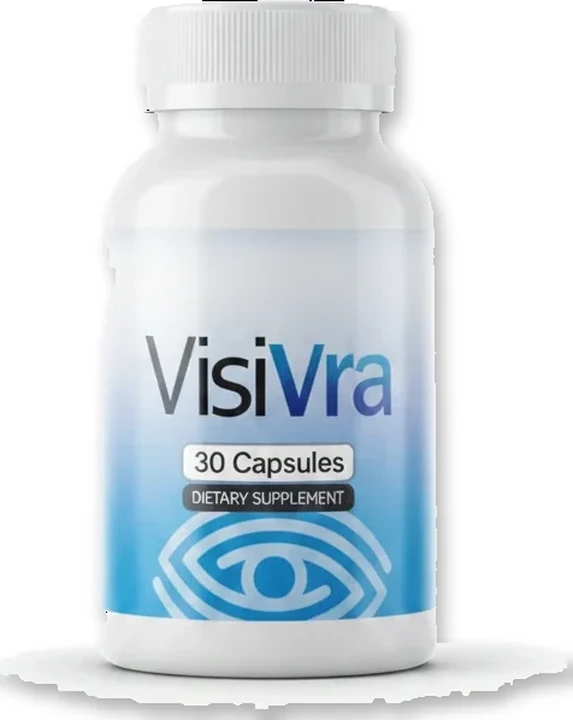
Visivra includes zinc among its six eye nutrients. We do not publish a milligram figure we have not verified — check the Supplement Facts panel against the 25 mg reference and the 40 mg ceiling before you buy.
Get OfferWhere this leaves Visivra
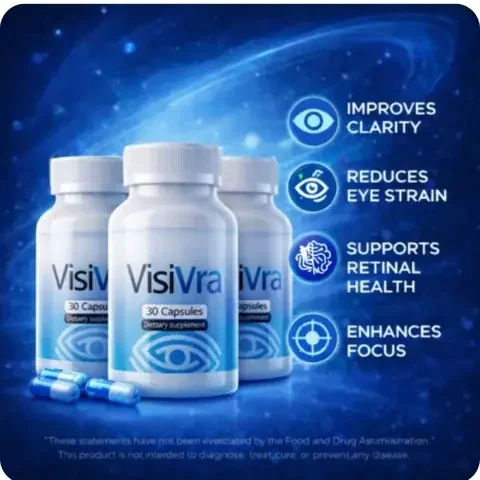
Zinc is one of the six nutrients in Visivra, sitting alongside lutein, zeaxanthin, bilberry, beta-carotene and vitamins C and E — the AREDS-style combination the two big trials studied. In keeping with how we cover everything here, we do not print a zinc milligram figure for Visivra anywhere on this site, because we have not independently verified one from the manufacturer's panel. The right move is to read the Supplement Facts on the bottle, find the elemental zinc figure, check that copper is present, and weigh it against the 25 mg reference and the 40 mg upper limit. If the number sits in that sensible band with copper alongside, it reflects the current evidence. For the wider picture, see our guides on how to read an eye-supplement label and the AREDS2 formula doses explained.
Medical note: this article is general information about published research, not medical advice. Dietary supplements are not intended to diagnose, treat, cure or prevent any disease, including macular degeneration. High-dose zinc can interact with medication and deplete copper, so talk to a qualified healthcare professional before taking it long term, particularly if you take other supplements or manage a health condition.
Related reading
- How Eye-Supplement Doses Vary Between Products
- Vitamin C and E for Eye Health: The Role
- Why You Should Take Eye Supplements With Food
- Gummies vs Capsules for Eye Vitamins
Frequently asked questions
Why do some eye supplements contain 80 mg of zinc?
Because that was the dose in the original AREDS trial, the landmark study behind modern eye-nutrition formulas. AREDS used 80 mg of zinc oxide a day alongside antioxidant vitamins, and many products copied that number directly. It is a high dose by everyday standards and only makes sense in the context of that specific research.
Is 25 mg of zinc as effective as 80 mg?
In AREDS2, a 25 mg zinc arm was compared with the original 80 mg, and the researchers found no meaningful difference in outcome between them. That result is why many newer formulas use the lower amount: it appears to do the same job with a wider safety margin. The label is where you check which one you are getting.
Why is copper added alongside zinc?
High zinc intake competes with copper absorption in the gut, and taking a lot of zinc for a long time can gradually lower copper levels. To prevent that, AREDS and most reputable formulas add a small amount of copper, usually around 2 mg, whenever the zinc dose is high. Seeing copper on the label is a good sign.
Can too much zinc be harmful?
Yes. The tolerable upper intake level for adults is 40 mg of elemental zinc a day from all sources, and staying above that for long periods can cause copper deficiency, digestive upset and other problems. This is one nutrient where more is not better, which is exactly why the dose on the label is worth reading rather than assuming.
Scientific references
- Age-Related Eye Disease Study Research Group. A randomized, placebo-controlled, clinical trial of high-dose supplementation with vitamins C and E, beta carotene, and zinc for age-related macular degeneration and vision loss: AREDS report no. 8. Arch Ophthalmol. 2001;119(10):1417–36. PMID 11594942
- Age-Related Eye Disease Study 2 Research Group. Lutein + zeaxanthin and omega-3 fatty acids for age-related macular degeneration: the AREDS2 randomized clinical trial. JAMA. 2013;309(19):2005–15. PMID 23644932
- National Institutes of Health, Office of Dietary Supplements. Zinc — Health Professional Fact Sheet (tolerable upper intake level 40 mg/day for adults). ods.od.nih.gov
- National Eye Institute. Age-Related Eye Disease Studies (AREDS/AREDS2). nei.nih.gov
An AREDS-style formula in one daily capsule
Lutein, zeaxanthin, bilberry, beta-carotene, zinc and antioxidant vitamins, sold through the official store with a 60-day money-back guarantee. Read the panel, then decide.
Get Offer