Vitamin C and E for Eye Health: The Real Role
Quick Answer: What Do Vitamin C and E Do for the Eyes?
They act as antioxidants that help the lens and retina resist oxidative stress. The AREDS trial used 500 mg vitamin C and 400 IU vitamin E daily, but the measurable benefit came from the full formula taken together, not from either vitamin alone. They are supporting players, not standalone fixes for eyesight.
- AREDS reference amounts: 500 mg vitamin C and 400 IU vitamin E per day.
- Mechanism: antioxidant defence against oxidative damage in the lens and retina.
- Reality check: little effect on their own; no proven cataract prevention.
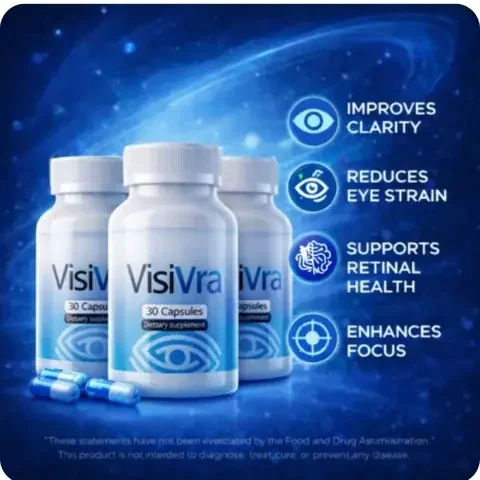
Vitamin C and vitamin E appear on almost every eye-health supplement label, usually near the top of the Supplement Facts panel. That prominence gives the impression they are the main event. They are not. They are antioxidants with a genuine but limited supporting role, and the research behind them is more nuanced — and more honest about failure — than most product pages admit. This article lays out what these two vitamins actually do in the eye, the exact amounts the landmark trials used, and where the evidence stops.
What AREDS actually put in the bottle
The reason vitamin C and E are in eye formulas at all traces back to one study: the Age-Related Eye Disease Study, or AREDS, published by the National Eye Institute in 2001. It was a large, long-running randomised trial that tested a specific antioxidant-and-mineral combination in people at risk of advancing age-related macular degeneration. The daily formula contained 500 mg of vitamin C, 400 IU of vitamin E, 15 mg of beta-carotene, 80 mg of zinc as zinc oxide, and 2 mg of copper.
Those numbers matter because they are the reference every later formula is measured against. The follow-up trial, AREDS2, published in 2013, kept the 500 mg vitamin C and 400 IU vitamin E unchanged. What it changed was the beta-carotene: it was removed and replaced with 10 mg lutein and 2 mg zeaxanthin, largely because beta-carotene had been linked to raised lung-cancer risk in smokers. The vitamin C and E amounts survived both trials untouched, which tells you researchers considered them a stable part of the antioxidant base rather than the variable being tested.
Here is the first thing worth internalising: 500 mg and 400 IU are large amounts. The recommended dietary allowance for vitamin C is roughly 75 to 90 mg a day for adults, and for vitamin E it is about 15 mg (which is close to 22 IU of the natural form). The AREDS doses are several times higher than what a normal diet supplies. That is a deliberate, pharmacological choice made for a high-risk clinical population, not a general recommendation for healthy eyes.
How vitamin C and E work in the eye
Both vitamins are antioxidants, but they work in different compartments, which is part of why they are paired.
Vitamin C is water-soluble. The eye concentrates it: the aqueous humour, the clear fluid in the front of the eye, holds vitamin C at levels many times higher than blood plasma. That concentration is thought to help protect the lens and cornea from oxidative damage driven by ultraviolet light and ordinary metabolic activity. Vitamin C also regenerates vitamin E after it has neutralised a free radical, so the two genuinely cooperate at a biochemical level.
Vitamin E is fat-soluble and sits in cell membranes, where it protects the fatty acids in those membranes from a chain reaction called lipid peroxidation. The retina is unusually rich in polyunsaturated fats and is exposed to intense light and high oxygen turnover, which makes it a plausible place for a membrane-protecting antioxidant to matter. That is the mechanistic case for including vitamin E in an eye formula.
Mechanism, though, is a hypothesis about how something could help — not proof that it does. The eye clearly uses these vitamins, and deficiency is genuinely bad for tissue. The open question, and the one the trials tried to answer, is whether taking extra beyond a normal diet changes outcomes. That is where the story gets more sober.
Antioxidant vitamins alongside the carotenoids
Visivra pairs lutein and zeaxanthin with zinc and the antioxidant vitamins C and E in one daily capsule. Check the Supplement Facts panel against the 500 mg / 400 IU AREDS reference amounts before you buy.
Get OfferThe catch: they do very little on their own
This is the part that gets left off sales pages. When researchers tested vitamin C or vitamin E individually, the eye benefits mostly evaporated.
Large randomised trials of vitamin E alone — and there have been several, because the antioxidant hypothesis was popular for decades — generally failed to show that it prevented age-related macular degeneration or cataract. Vitamin C on its own has a similarly thin record in controlled trials. The result that actually moved was the AREDS combination: vitamin C, vitamin E, zinc, copper and a carotenoid taken together reduced the risk of progression to advanced macular degeneration by roughly a quarter in people who already had intermediate disease. Pull any single ingredient out and study it alone, and the signal fades.
That distinction is the whole point of this article. Vitamin C and E are not the reason the AREDS formula worked; they are part of a package in which the antioxidants and the zinc appear to act together. Buying a high-dose vitamin E capsule expecting an eye benefit is not supported by the evidence. Nor is treating the vitamin C on a label as the ingredient doing the heavy lifting. In a formula like this, the carotenoids and zinc carry the strongest individual evidence, and the vitamins are the supporting antioxidant base.
There is also a safety footnote worth stating plainly. High-dose vitamin E has been examined in analyses that raised questions about all-cause mortality at intakes at or above 400 IU a day. The findings are debated and not settled, but they are a reason not to stack multiple high-dose vitamin E products on top of each other, and a reason to talk to a doctor before taking large amounts.
What about cataracts specifically?
Cataract is where the mismatch between hope and evidence is clearest. Because the lens is exposed to a lifetime of light and oxidation, and because vitamin C concentrates in the fluid bathing it, the antioxidant-prevents-cataract idea is intuitive. It has also been tested repeatedly.
A Cochrane systematic review of randomised controlled trials concluded that vitamin C and vitamin E supplements did not prevent the development of cataract or slow its progression. The AREDS formula itself, despite containing both vitamins, did not reduce cataract risk in its trial, even as it slowed macular degeneration. In other words, the best available controlled evidence does not support taking these vitamins to prevent cataracts. Observational studies sometimes link diets rich in vitamin C to lower cataract rates, but observational links cannot separate the vitamin from the generally healthier lifestyle that tends to come with it, and randomised trials are where such hopes have consistently come up short.
The honest takeaway: if cataract prevention is your goal, a supplement is not a proven route. The proven cataract intervention is surgery when the cataract becomes visually significant, and an eye-care professional is the person to see about it.
Can you get enough from food?
For meeting your actual nutritional needs, food does the job easily. Vitamin C is abundant in citrus fruit, bell peppers, broccoli, kiwi, strawberries and many other fruits and vegetables. Vitamin E is found in nuts, seeds, vegetable oils, wheat germ and leafy greens. A person eating a varied diet with produce, nuts and seeds is very unlikely to be deficient in either, and dietary intake is the form most consistently associated with good long-term eye health in population studies.
The subtlety is that the AREDS trial doses — 500 mg C and 400 IU E — are well above what food normally provides. You would struggle to eat your way to 500 mg of vitamin C without deliberately overloading on supplement-like quantities of fruit, and 400 IU of vitamin E is essentially unreachable from a normal diet. So there are really two separate questions. Do you need these vitamins for eye health? Yes, from food, in ordinary amounts. Do you need the high AREDS doses? Only potentially, and only if you fall into the specific at-risk group the trial studied — a judgement for your eye doctor, not a supplement label.
What this means when you read a label
Three practical points follow from the evidence rather than the marketing.
First, check the amounts against the AREDS figures of 500 mg vitamin C and 400 IU vitamin E. Many consumer formulas carry much less, which is fine for general antioxidant support but is not the same as the tested clinical formula. If the label hides the amounts inside a proprietary blend, you cannot verify anything. Our breakdown of how eye supplement doses vary between products covers how wide that range really is.
Second, do not judge a formula by its vitamin C and E alone. In an eye supplement, the lutein, zeaxanthin and zinc amounts carry the stronger individual evidence; the vitamins are the antioxidant backdrop. If you want the wider context, our review of the lutein and zeaxanthin evidence lays out what the carotenoids actually did in the trials.
Third, keep expectations realistic. These vitamins support eye health as part of a diet and, potentially, a formula — they do not sharpen healthy eyesight, reverse damage or cure disease. Anyone promising that has left the evidence behind.
Related reading
- Zinc in Eye Supplements: How Much Is Enough?
- Omega-3 and Dry Eye: What the Research Shows
- Foods for Eye Health: A Nutrient Map
- How Eye Supplement Doses Vary Between Products
Frequently asked questions
How much vitamin C and E are in eye formulas?
The reference numbers come from the AREDS trial, which used 500 mg of vitamin C and 400 IU of vitamin E every day, alongside zinc, copper and beta-carotene. AREDS2 kept those same two vitamin amounts and swapped beta-carotene for lutein and zeaxanthin. Consumer eye formulas vary widely and many contain far less than 500 mg and 400 IU, so the only way to know what you are getting is to read the Supplement Facts panel and compare it to those trial figures.
Do vitamin C and E prevent cataracts?
The controlled trial evidence says no. A Cochrane review of randomised trials found that vitamin C and vitamin E supplements did not prevent cataracts or slow their progression. The AREDS formula, which contains both vitamins, did not reduce cataract risk either, even though it did slow progression to advanced macular degeneration. Some observational studies link a diet rich in these vitamins to lower cataract rates, but that is not the same as a supplement proving it, and expectations should be set accordingly.
Do these vitamins work on their own for the eyes?
Largely not. Trials of vitamin E on its own and vitamin C on its own have generally failed to show a benefit for age-related eye conditions. The measurable result in the eye came from the complete AREDS combination of vitamin C, vitamin E, zinc, copper and carotenoids taken together, not from any single ingredient. That is the honest framing: these vitamins are supporting antioxidants within a formula, not standalone actives that fix vision by themselves.
Can you get enough vitamin C and E from food?
You can easily meet the recommended daily intake from food. Citrus, peppers, broccoli and strawberries cover vitamin C, while nuts, seeds and vegetable oils cover vitamin E. But the AREDS doses of 500 mg C and 400 IU E are several times higher than normal dietary intake and are hard to reach from meals alone. A balanced diet is the right foundation for everyday eye health; the high trial doses are a separate, pharmacological question you should raise with a doctor.
Medical note: this article is general information, not medical advice. High-dose vitamin E can interact with blood-thinning medication and has been questioned at intakes of 400 IU and above. Talk to a qualified professional before taking large doses. Dietary supplements are not intended to diagnose, treat, cure or prevent any disease.
Scientific references
- Age-Related Eye Disease Study Research Group. A randomized, placebo-controlled clinical trial of high-dose supplementation with vitamins C and E, beta carotene, and zinc for age-related macular degeneration and vision loss: AREDS Report No. 8. Arch Ophthalmol. 2001;119(10):1417–36. PMID 11594942.
- Age-Related Eye Disease Study 2 (AREDS2) Research Group. Lutein + zeaxanthin and omega-3 fatty acids for age-related macular degeneration: the AREDS2 randomized clinical trial. JAMA. 2013;309(19):2005–15. PMID 23644932.
- Mathew MC, Ervin AM, Tao J, Davis RM. Antioxidant vitamin supplementation for preventing and slowing the progression of age-related cataract. Cochrane Database Syst Rev. 2012;(6):CD004567. PMID 22696344.
- Miller ER 3rd, Pastor-Barriuso R, Dalal D, et al. Meta-analysis: high-dosage vitamin E supplementation may increase all-cause mortality. Ann Intern Med. 2005;142(1):37–46. PMID 15537682.
- NIH Office of Dietary Supplements — Vitamin C fact sheet.
- NIH Office of Dietary Supplements — Vitamin E fact sheet.
- American Academy of Ophthalmology — Diet and Nutrition for Your Eyes.
See how Visivra puts this together
Lutein and zeaxanthin with bilberry, zinc and the antioxidant vitamins C and E in one daily capsule. Ordered through the official store, with the manufacturer's 60-day money-back guarantee.
Get Offer