Do Carrots Improve Night Vision? Busting the Myth
Quick Answer: Do Carrots Improve Night Vision?
Only if you are short of vitamin A. Carrots supply beta-carotene, which the body turns into vitamin A, and vitamin A is essential for seeing in dim light. Correcting a deficiency restores normal night vision. But if your levels are already fine, extra carrots will not give you above-normal night sight — that part is a wartime myth.
- True: vitamin A is essential for rod cells and deficiency causes night blindness.
- False: eating extra carrots grants super-sight beyond normal.
- Origin: the myth traces to 1940s Royal Air Force propaganda hiding radar.
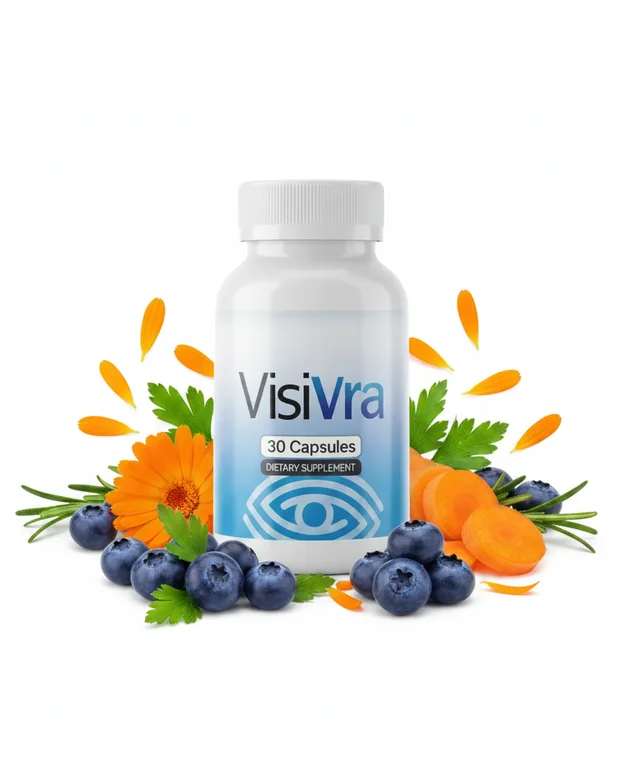
"Eat your carrots so you can see in the dark" is one of the most durable pieces of nutrition folklore ever told. Like a lot of folklore, it is built on a real fact that has been stretched well past what it can bear. The honest version has two halves: vitamin A truly is essential for night vision, and eating extra carrots truly will not turn you into a night owl. Let us take them in order — and finish with the surprisingly cynical origin of the whole story.
The part that is true: vitamin A and the rods
Your retina has two kinds of light-sensing cells. Cones handle colour and detail in good light. Rods handle dim light — they are what you fall back on at dusk and in the dark. And rods run on a light-sensitive pigment called rhodopsin, sometimes called visual purple.
Here is the link. Rhodopsin is built from a protein joined to a molecule called retinal, and retinal is a form of vitamin A. Every time light hits a rod, it changes the shape of the retinal and triggers the nerve signal that becomes vision; the rod then has to regenerate the pigment to fire again. That regeneration cycle depends on a steady supply of vitamin A. Run short of it, and the rods cannot rebuild rhodopsin fast enough. The result is night blindness — difficulty adapting to darkness and seeing in low light — which is one of the earliest signs of vitamin A deficiency and is well documented in nutrition science.
So the underlying claim is real: vitamin A is essential for night vision, and a deficiency genuinely damages it. In parts of the world where vitamin A deficiency is common, it remains a leading nutritional cause of preventable vision problems, and correcting the deficiency restores night vision. That is not a supplement marketing line; it is basic ophthalmology and public-health nutrition.
Where carrots come in
Carrots are rich in beta-carotene, a plant pigment (and the reason they are orange). Beta-carotene is a provitamin A carotenoid: the body converts it into vitamin A as needed. Eat carrots, and you are topping up your vitamin A supply through that conversion. So a diet with enough carrots — or any beta-carotene-rich food, from sweet potato to spinach to pumpkin — helps ensure your rods have the raw material they need.
This is the kernel of truth the myth grew around. If a person's diet were low in vitamin A and you added carrots, their night vision really could improve, because you would be fixing a shortfall. The trouble is what happens next in the story.
The part that is a myth: more is not better
The leap the folklore makes is from "enough prevents night blindness" to "more gives super night vision." That leap does not hold.
Vitamin A works like topping up a tank. Below a certain level, your rods underperform and adding vitamin A helps. Once the tank is full — once your levels are adequate, as they are for most people eating an ordinary varied diet — adding more does not push night vision above normal. There is no dose-response staircase where each extra carrot buys you a sharper view of a dark room. Your rods can only be as sensitive as healthy rods are; vitamin A lets them reach that ceiling, it does not raise the ceiling.
The body even builds in a brake. When you eat beta-carotene, conversion to vitamin A is regulated according to need, so you cannot force-feed your retina extra vitamin A simply by eating mountains of carrots. What you can do is turn your skin faintly orange — a harmless, reversible condition called carotenemia — if you eat truly enormous amounts. Your night vision, meanwhile, stays exactly where healthy night vision sits.
The tank analogy, in one line each
Empty tank: vitamin A deficiency → night blindness. Adding vitamin A restores normal night vision.
Full tank: adequate vitamin A → normal night vision. Adding more does nothing extra.
Overfilling: huge beta-carotene intake tints the skin; huge preformed vitamin A can be harmful. Neither improves sight.
Where the myth actually came from
The specific idea that carrots grant remarkable night vision is often traced to British wartime propaganda in the early 1940s. During the Blitz, the Royal Air Force had begun using a new secret technology — airborne interception radar — that let night-fighter pilots find enemy bombers in the dark. To keep the radar secret, the story goes, the authorities put about an alternative explanation for the pilots' uncanny night-time success: they were eating lots of carrots.
The tale attached itself to real aces of the period and was reinforced by campaigns encouraging the public to grow and eat carrots — convenient during rationing, when carrots were plentiful. Historians debate exactly how much the "carrot cover story" fooled anyone versus how much it simply rode alongside a general wartime push to eat homegrown vegetables. Either way, the association between carrots and superhuman night sight lodged itself in popular culture and never left. It is a rare case of a nutrition myth with a fairly specific, documented origin.
A word on beta-carotene, safety and eye supplements
Because eye-support formulas often contain beta-carotene, it is worth being precise about safety, since this is one place where "natural" and "harmless in any amount" are not the same thing.
Beta-carotene from food is not toxic; the regulated conversion sees to that. But there is an important, well-documented exception for one group. In two large trials in the 1990s, high-dose beta-carotene supplements were associated with an increased risk of lung cancer in current and former smokers and in people exposed to asbestos. That finding is the reason the later AREDS2 eye study removed beta-carotene from its formula for that population and why any eye supplement containing it — Visivra included — flags smokers and recent quitters to speak to a doctor first.
Separately, preformed vitamin A (retinol, the animal-source and supplement form, as opposed to plant beta-carotene) can accumulate and cause harm at high doses, which is why it has an established tolerable upper intake level. The plain takeaway: carrots are safe and good; high-dose vitamin A pills are a "read the label and ask a professional" situation.
Eye nutrients, without the folklore
Visivra is built around lutein and zeaxanthin, with beta-carotene, zinc and antioxidant vitamins. It supports everyday eye health over months of consistent use — it will not hand you night-vision goggles, and we would not tell you it does. Smokers and recent quitters should speak to a doctor about the beta-carotene first.
Get OfferSo, should you eat your carrots?
Yes — just for the right reasons. Carrots are a genuinely good source of beta-carotene, along with fibre and other nutrients, and keeping your vitamin A status healthy is exactly what keeps your rods working as they should in low light. What carrots will not do is give a well-nourished person night vision beyond the normal human range, let you drive without headlights, or replace an eye exam if you are struggling to see at night. Persistent night-vision trouble in someone who eats normally is a reason to get checked, because it can have causes that have nothing to do with diet.
What the evidence does not show
No super-sight. There is no evidence that carrots or beta-carotene improve night vision beyond normal in people who already have adequate vitamin A.
Not a treatment. Nothing here describes carrots, beta-carotene or any supplement as a treatment or cure for an eye condition. Restoring night vision in a deficient person is correcting a nutritional shortfall, which is different from a clinical claim.
See a professional for symptoms. If you have new or worsening difficulty seeing at night, that warrants an eye examination rather than a bigger bag of carrots.
Related reading
- Do blue light glasses work? The evidence
- Do eye exercises improve vision? A fact check
- Foods for eye health: a nutrient map
- Vitamin C and E for eye health: the role
Medical note: this article is general information about published research, not medical advice. Dietary supplements are not intended to diagnose, treat, cure or prevent any disease. Speak to a qualified healthcare professional before starting any supplement, particularly if you smoke, have recently quit, are pregnant or nursing, or take prescription medication.
Frequently asked questions
Do carrots really help you see in the dark?
Only up to a point. Carrots supply beta-carotene, which the body converts to vitamin A, and vitamin A is essential for the light-sensing cells you rely on in dim light. If you are deficient, correcting that restores normal night vision. But if your vitamin A is already adequate, eating more carrots will not push your night vision above normal.
Why is vitamin A linked to night vision?
The rod cells that handle low-light vision use a pigment called rhodopsin, and vitamin A, in its retinal form, is a core building block of that pigment. Without enough vitamin A the rods cannot regenerate rhodopsin efficiently, so adapting to darkness becomes slow and difficult, a condition called night blindness.
Where did the carrot night-vision myth come from?
It is widely traced to British wartime propaganda in the 1940s. To hide the fact that its night-fighter pilots were using new airborne radar, the Royal Air Force promoted the story that its aces owed their night-time success to eating large amounts of carrots. The claim stuck in popular culture long after the war.
Can you get too much vitamin A from supplements?
Yes, from preformed vitamin A, not from carrots. Eating a lot of beta-carotene may temporarily tint the skin orange but is not toxic, because the body limits conversion. Preformed vitamin A in high-dose supplements, however, can accumulate and cause harm, which is why an established upper limit exists and why label doses matter.
Scientific references
- National Institutes of Health, Office of Dietary Supplements. Vitamin A and carotenoids — health professional fact sheet. ods.od.nih.gov
- The Alpha-Tocopherol, Beta-Carotene Cancer Prevention Study Group. The effect of vitamin E and beta carotene on the incidence of lung cancer in male smokers. N Engl J Med. 1994;330(15):1029–35. PMID 8127329
- Omenn GS, Goodman GE, Thornquist MD, et al. Effects of a combination of beta carotene and vitamin A on lung cancer (CARET). N Engl J Med. 1996;334(18):1150–5. PMID 8602180
- Age-Related Eye Disease Study 2 Research Group. Lutein + zeaxanthin and omega-3 fatty acids for age-related macular degeneration: the AREDS2 randomized clinical trial. JAMA. 2013;309(19):2005–15. PMID 23644932
- Smith K. A WWII propaganda campaign popularized the myth that carrots help you see in the dark. Smithsonian Magazine. smithsonianmag.com
See what is actually in the bottle
Lutein and zeaxanthin with bilberry, beta-carotene, zinc and antioxidant vitamins C and E, sold through the official store with a 60-day money-back guarantee. Read the Supplement Facts panel and check the doses yourself.
Get Offer